Caring for Fresh Cut Blooms
Posted on 13/08/2025
Caring for Fresh Cut Blooms: The Ultimate Guide
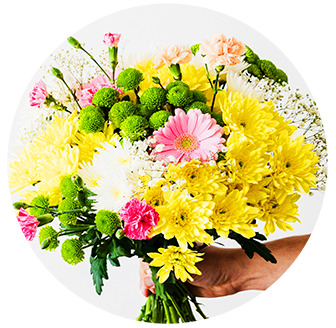
Fresh cut flowers bring beauty, color, and fragrance into any space. However, without proper care and attention, these fresh cut blooms can wilt quickly and lose their vibrancy. Whether you've received a lavish bouquet for a special occasion or cut your own blooms from the garden, knowing how to care for fresh cut flowers is essential to keep them looking their best for as long as possible.
Why Caring for Fresh Cut Blooms Matters
Properly caring for your fresh cut blossoms extends their vase life and keeps your home bright and fresh. Flower care not only preserves aesthetics but also prevents the growth of bacteria in vases, reducing unpleasant odors and the risk of flower deterioration.
Benefits of Proper Flower Care
- Longer-lasting arrangements: Well-cared flowers can remain vibrant for up to two weeks or more.
- Healthy environment: Clean water and stems reduce bacterial growth.
- More value: Extends enjoyment of your investment in floral arrangements.
Essential Supplies for Fresh Flower Maintenance
Before you start, gather these essential supplies for optimal fresh-cut bloom care:
- Sharp scissors or floral shears
- A clean vase
- Room-temperature water
- Flower food (provided by most florists or made at home)
- Paper towels or soft cloth
- Optional: Bleach, sugar, lemon juice or vinegar for homemade flower preservatives
Step-by-Step Guide: How to Care for Fresh Cut Flowers
1. Cleanliness Is Key
Start with a clean vase. Residue from previous bouquets harbors bacteria that can quickly shorten the life of your cut blooms. Wash the vase thoroughly using hot, soapy water, and rinse well.
2. Prepare the Water
Fresh, room-temperature water is ideal for most flowers. Warm water helps blooms absorb moisture more efficiently, but be sure to avoid extremes unless you're reviving wilted stems (which may benefit from hot water treatment).
- Add flower food: This typically includes sugar (energy), acid (lowers pH), and bleach (reduces bacteria).
- Homemade alternative: Mix one teaspoon sugar, one teaspoon bleach, and one tablespoon lemon juice per quart of water.
3. Trim the Stems Correctly
Trimming prevents air bubbles from blocking stem uptake of water.
- Use a sharp cutting tool to avoid crushing the stems.
- Cut at a 45-degree angle to increase surface area for water absorption.
- Remove leaves that will be below the waterline to avoid rot and bacteria.
- Re-cut stems every few days to keep water uptake optimal.
4. Arrange Mindfully
Place flowers in the vase immediately after trimming the stems. Arrange so all flowers have room to breathe, and none are crammed tightly, which can cause bruising or wound the petals.
Pro tip: Some stems, like roses, benefit from removing thorny leaves that would rot in water.
5. Strategic Placement
To get a longer vase life from your fresh floral bouquet:
- Avoid direct sunlight
- Keep away from heat sources such as radiators or appliances
- Don't place near ripening fruit (fruit emits ethylene which accelerates aging).
- Keep away from drafts and fans.
Temperature and environmental factors can dramatically affect how long your flowers remain beautiful.
6. Daily Maintenance Tips
- Change the water every 2 days: Even with flower food, water can grow bacteria.
- Wipe the vase each water change to remove any bacteria.
- Remove wilted or dead stems and flowers promptly to prevent rot spreading.
- Spritz petals with water for added freshness, but don't soak them.
Special Considerations for Different Flowers
Fresh cut flowers are not all the same. Each type may require special attention:
- Tulips and daffodils: Daffodils exude a sticky sap that's toxic to other flowers--keep their arrangements separate for the first 24 hours.
- Woody stems: (Lilacs, hydrangeas) -- split the stems or scrape the bark for better water absorption.
- Soft stems: (Gerbera daisies, poppies) -- Sealing with heat (dip ends in boiling water for a few seconds) can extend their vase life.

DIY Flower Preservatives: Extending Vase Life
Flower food packets are not always available, but you can easily make your own solution, which is vital in caring for fresh cut flowers:
- Sugar for nutrition
- Bleach or vodka for bacteria control
- Lemon juice or white vinegar for acidity
Homemade recipe: Mix 2 tablespoons lemon juice, 1 tablespoon sugar, and 1/2 teaspoon bleach per quart of water. Stir until dissolved, and use as your vase base.
Common Problems in Fresh Flower Care
- Cloudy water: Sign of bacteria. Change water, wash vase, re-trim stems.
- Drooping flowers: May need deeper water or a fresh cut to the stems.
- Petal browning: Remove damaged petals, avoid handling blooms excessively.
Reviving Wilted Blooms -- Is It Possible?
If your fresh cut bouquet wilts prematurely, there are a few rescue options:
- Re-cut stems under water to remove air blocks.
- Use hot water treatment (submerse stems in nearly boiling water for 60 seconds, then put into fresh, cool vase water).
- Submerge entire flower heads (roses especially) in lukewarm water for 30-60 minutes to rehydrate petals.
Special Tips for Long-Stemmed and Garden-Grown Flowers
When harvesting your own flowers, pick them in the early morning or late evening when they're hydrated. For longer-lasting arrangements:
- Take a clean bucket of water to the garden and place cut stems in water immediately.
- Never cut in the heat of the day -- heat stresses blooms, causing premature wilting.
- Store in a cool place before arranging for maximum freshness.
Flower Types That Require Extra Attention
- Hydrangeas: Benefit from submerged stem ends or floral sealant
- Carnations: Pull off lower leaves to prevent rot
- Orchids: Prefer cooler temperatures and distilled water
Eco-Friendly and Prolonged Bloom Tips
- Use distilled or filtered water if your tap water is very hard or soft.
- Compost spent flowers for a greener home.
- Repurpose petals for potpourri or as natural confetti.
Enjoying Your Fresh Cut Blooms to the Fullest
Part of the pleasure of flowers is the enjoyment of their fleeting beauty. With careful maintenance and a few simple steps, your fresh cut flower arrangements can brighten your living space for up to two weeks or more. Remember to check them daily, refresh their water, keep stems trimmed, and enjoy their vibrance.
Frequently Asked Questions About Caring for Fresh Cut Blooms
How often should I change the water?
Change the water every two days, or sooner if it turns cloudy.
Can I use tap water for my cut flowers?
Yes, but room-temperature tap water is best. If your water is heavily treated or very hard/soft, consider filtered or distilled water for optimal bloom health.
Are there flowers that last longer than others?
Yes! Carnations, chrysanthemums, alstroemeria, and lilies are among the longest-lasting in vase displays, often brightening a room for two weeks or more.
Is it necessary to use flower food?
While not strictly required, flower food greatly prolongs vase life by feeding the flowers and inhibiting bacterial growth. Homemade solutions can be effective as well.
Should I trim the stems every day?
Every two to three days is sufficient. Regular trimming ensures optimal water uptake and keeps your fresh flowers lively and bright.
Summary: Make the Most of Your Fresh Cut Flowers
Caring for fresh cut blooms is both an art and a science. By following these key steps -- starting with a clean vase, using the right water, feeding and trimming your flowers, and providing daily attention -- you can maximize the lifespan and beauty of every bouquet. Not only will your blossoms look stunning longer, but you'll also create a healthier home environment free from bacteria and unpleasant odors.
Enjoy your fresh cut flowers and the joy they bring! By dedicating a few minutes each day to their care, your environment will remain filled with natural beauty, color, and fragrance for as long as possible.